


What Are the Key Differences Between All-on-X Implants and Traditional Dental Implants?
Dental implants are one of the most effective and long-lasting solutions for replacing missing teeth. If you’re considering implants, you may have come across two common options: traditional dental implants and All-on-X implants. While both restore function and aesthetics, they are designed for different needs and situations.
What Are Traditional Dental Implants?
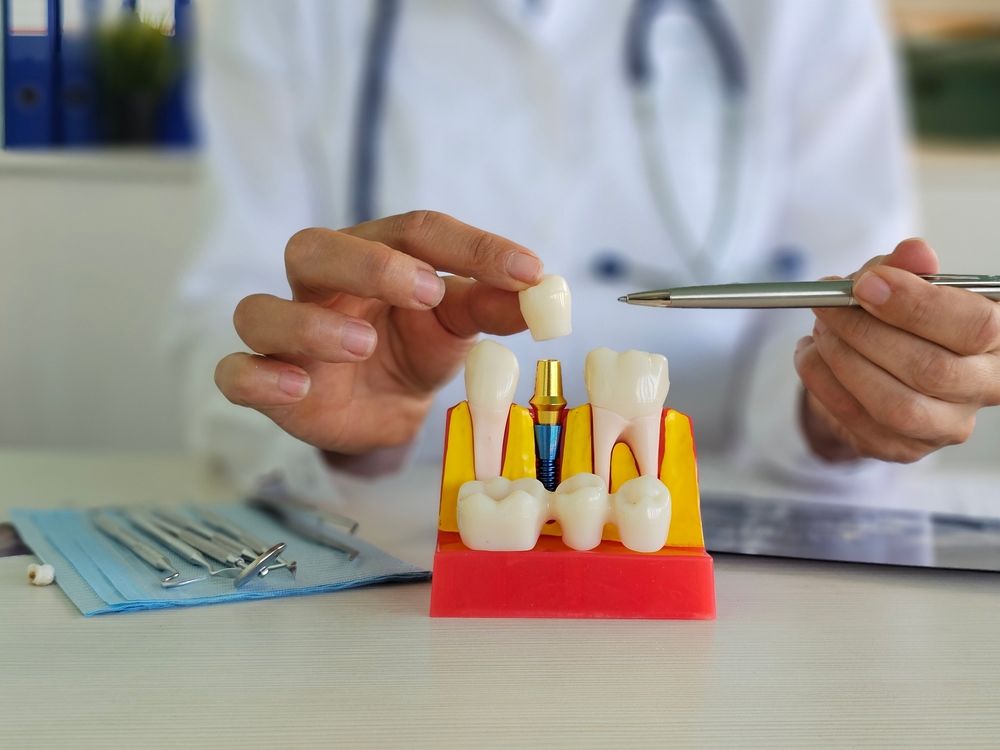
Traditional dental implants are designed to replace one missing tooth by placing an individual titanium post into the jawbone. Each implant acts as an artificial tooth root and is topped with a custom crown once healing is complete.
Key Features of Traditional Dental Implants:
• Replace one tooth at a time
• Require sufficient jawbone at the implant site
• Often involve multiple appointments over several months
• Closely mimic the look, feel, and function of natural teeth
• Ideal for patients missing a small number of teeth
This option is commonly chosen when tooth loss is limited and surrounding teeth are healthy.
What Are All-on-X Dental Implants?
All-on-X implants are designed to replace an entire arch of teeth - upper, lower, or both - using a strategic number of implants (typically four to six per arch). A full set of fixed replacement teeth is secured to these implants, creating a stable, non-removable solution.
Key Features of All-on-X Implants:
• Replace a full arch of missing teeth
• Use fewer implants to support multiple teeth
• Often allow for same-day or immediate provisional teeth
• Can reduce the need for bone grafting in some cases
• Ideal for patients with extensive tooth loss or failing teeth
All-on-X offers a streamlined approach for patients who want a full-smile restoration with fewer surgical steps.
Key Differences Between All-on-X and Traditional Implants
Traditional dental implants are designed to replace individual missing teeth, making them a good option when only one or a few teeth need to be restored. All-on-X implants, on the other hand, are used to replace an entire arch of teeth at once, providing a full-smile solution for patients with extensive tooth loss.
Traditional implants typically require one implant per missing tooth and are completed over several months, allowing time for healing between steps. All-on-X uses fewer strategically placed implants and may allow patients to receive temporary teeth the same day as surgery, offering a faster transformation.
Bone requirements also differ between the two options. Traditional implants often need strong bone at each site and may require bone grafting, while All-on-X implants are placed at specific angles to maximize existing bone and can sometimes reduce the need for grafting.
Which Option Is Right for You?
The best implant solution depends on several factors, including:
• The number of teeth missing
• Jawbone health
• Overall oral health
• Lifestyle and personal goals
• Budget and long-term expectations
A comprehensive dental evaluation is essential to determine which option will provide the best function, comfort, and longevity for your smile.
Take the Next Step at Glacier Dental
Both traditional dental implants and All-on-X implants offer reliable, long-term solutions for tooth replacement. Traditional implants are ideal for replacing individual teeth, while All-on-X implants are designed for patients seeking a full-arch restoration with fewer implants and a potentially faster transformation. Understanding these differences can help you take the next step toward a healthier, more confident smile.
Schedule a consultation at Glacier Dental to learn whether traditional dental implants or All-on-X implants are the right solution for your smile. Visit our office in Tudor or Bragaw, located in Anchorage, Alaska, or call (907) 222-6000 today.


Powered by: 