


Trail Trauma: How Minor Falls and Impact Injuries Create Hidden Structural Tooth Cracks
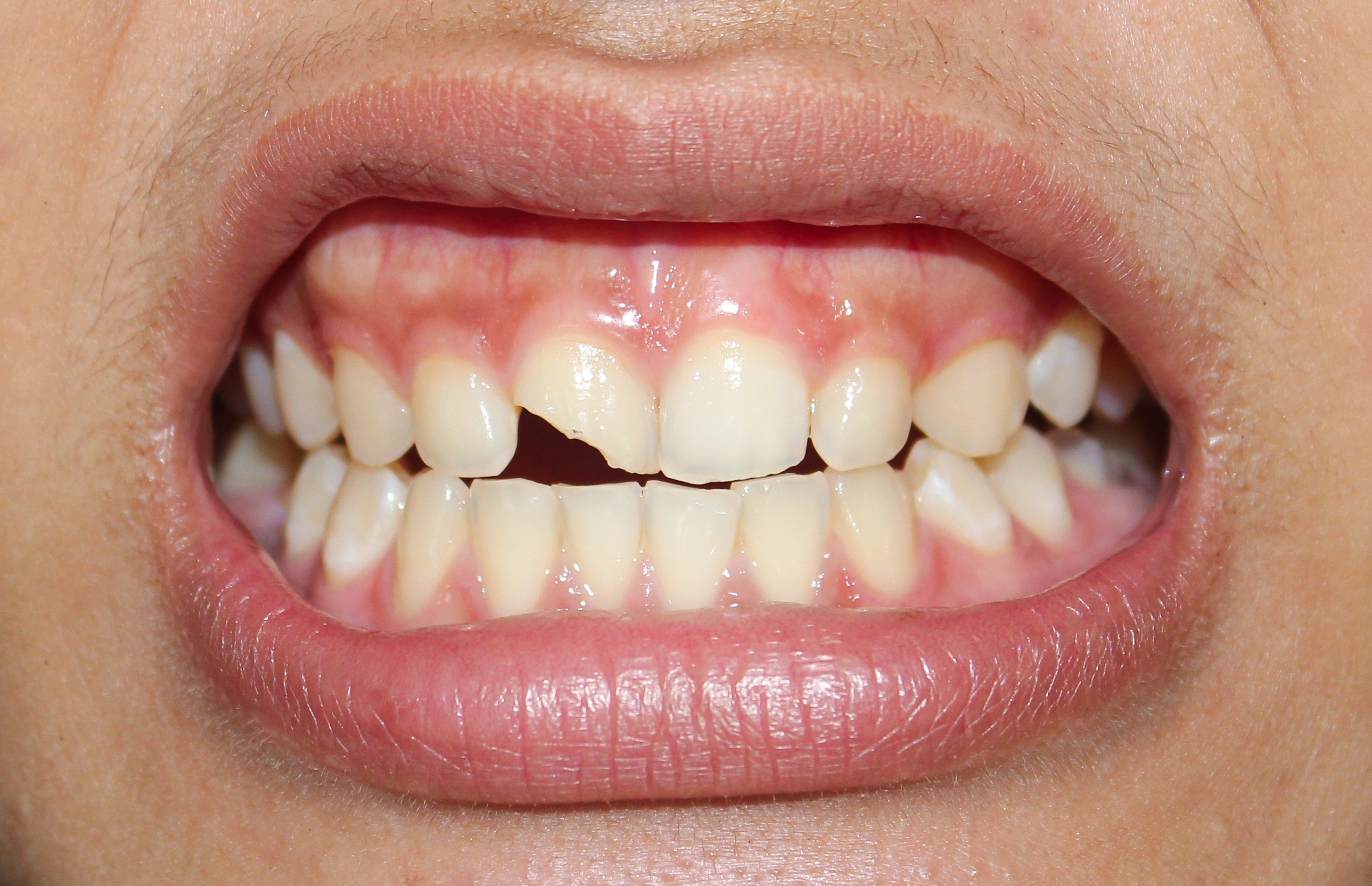
A slip on a wet trail, a bicycle fall, or a sudden impact during outdoor recreation may not seem serious when there is no visible tooth damage. However, even a minor accident can create a structural crack beneath the enamel. These hidden tooth cracks may remain unnoticed until biting pressure, temperature changes, or continued use causes symptoms. For active individuals in Anchorage, a prompt dental evaluation after a facial impact can help identify damage before it progresses.
Why Tooth Cracks Can Be Easy to Miss
Not every cracked tooth has an obvious chip or missing piece. Some cracks are extremely fine or begin below the visible surface. Pain may also come and go, making it difficult to identify which tooth is affected. Cracked teeth may cause unpredictable pain while chewing or sensitivity to hot and cold temperatures.
After a fall, the force may travel through the jaw and place stress on one or more teeth. A tooth can look normal while the enamel, dentin, filling, or internal pulp has been affected. Nearby teeth may also sustain unnoticed damage, which is why a complete dental exam is important after trauma.
Warning Signs After a Fall or Impact
A hidden structural tooth crack may not cause immediate discomfort. Symptoms can appear hours, days, or even weeks later. Watch for:
• Sharp pain when biting or releasing pressure
• New sensitivity to hot, cold, or sweet foods
• Tenderness around one tooth
• Discomfort that comes and goes
• A rough edge, small chip, or change in the bite
• Swelling or increasing pain near the injured area
Do not assume the tooth is healthy simply because it is still intact. Cracks do not heal like broken bones, and untreated damage may gradually spread.
How Dentists Evaluate Possible Cracks
Diagnosing a cracked tooth often involves more than a quick visual check. Our dentists may review how the injury occurred, examine the tooth under enhanced lighting, test the bite, assess temperature sensitivity, and evaluate the surrounding gums. Dental imaging may also be used to look for root, bone, or internal changes, although very small cracks are not always clearly visible.
The goal is to determine the location and depth of the damage. A shallow enamel crack may require monitoring, while a fractured cusp or deeper crack may need bonding, a filling, or a dental crown. If the pulp inside the tooth is damaged, root canal treatment may be necessary. Treatment depends on the type, location, and extent of the crack.
Why Early Dental Care Matters
Continuing to chew on an injured tooth can place repeated pressure on a weakened structure. Over time, the crack may deepen, irritate the pulp, or allow bacteria to enter. Early diagnosis may provide more options for protecting and preserving the natural tooth.
Schedule a dental evaluation with Glacier Dental to identify hidden tooth damage and protect your smile after a fall or impact injury. Contact our office in Tudor or Bragaw, located in Anchorage, Alaska, by calling (907) 222-6000 to book an appointment today.


Powered by: 