


How Dental Implants Prevent Bone Loss: A Permanent Solution for Anchorage Adults
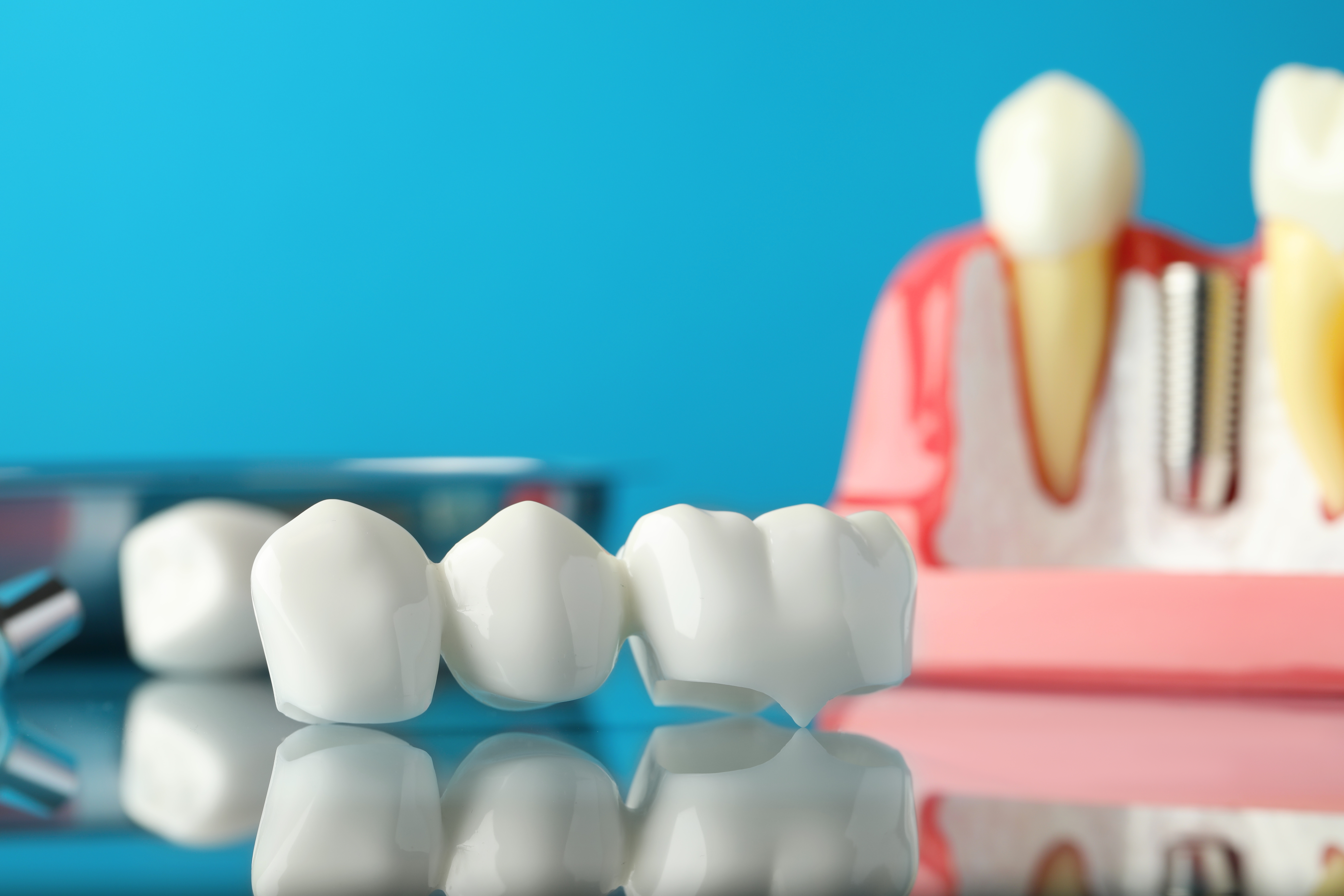
Losing a tooth affects more than your smile. Once a tooth and its root are gone, the jawbone in that area no longer receives the same stimulation from normal biting and chewing. Over time, the bone can gradually shrink, potentially changing the foundation that supports your remaining teeth and facial structure.
At Glacier Dental in Anchorage, we offer dental implants as a long-term solution for replacing missing teeth. Unlike traditional tooth replacements that primarily restore the visible portion of a tooth, an implant replaces the missing root and supports a natural-looking restoration above the gumline.
Why Bone Loss Happens After Losing a Tooth
Your jawbone responds to the forces created when you bite and chew. Natural tooth roots transfer these forces into the surrounding bone, helping maintain bone activity.
When a tooth is removed or lost, that stimulation decreases. The body can gradually resorb some of the bone that is no longer supporting a tooth.
This process may affect the height and width of the jawbone. The longer a space remains without a tooth root, the more challenging future tooth replacement can sometimes become.
How a Dental Implant Supports the Jawbone
A dental implant is a small post placed into the jawbone where the natural tooth root once existed. Most implants are made from biocompatible materials such as titanium.
During healing, the implant integrates with the surrounding bone through a process called osseointegration. Once stable, the implant can support a crown, bridge, or other dental restoration.
When you chew on the completed implant restoration, functional forces are transferred through the implant into the jawbone. This helps provide stimulation in the area and can reduce the bone loss commonly associated with an untreated missing tooth.
Benefits of replacing a missing tooth with an implant may include:
- Helping preserve available jawbone
- Providing stable support for a replacement tooth
- Restoring comfortable chewing function
- Avoiding reliance on neighboring teeth for support in many cases
- Creating a fixed replacement that looks and feels more natural
- Supporting long-term oral function
Dental implants cannot guarantee that no bone changes will ever occur, but they provide a unique advantage because they replace the missing root structure.
Implants vs. Traditional Dental Bridges
A traditional dental bridge can effectively replace a missing tooth by using neighboring teeth as anchors. However, the artificial tooth suspended between those supports does not extend into the jawbone like a natural root.
A dental implant stands independently within the missing tooth space. This can provide additional support without requiring neighboring healthy teeth to carry the same type of load.
For Anchorage adults comparing tooth replacement options, factors such as bone health, gum health, the number of missing teeth, overall health, and treatment goals all influence which approach is appropriate.
What If Bone Loss Has Already Occurred?
Previous bone loss does not automatically mean dental implants are impossible. Some patients may benefit from bone grafting before or during implant treatment.
Bone grafting is used to rebuild or strengthen areas where there may not be enough healthy bone to support an implant predictably. At Glacier Dental, evaluating the jawbone is an important part of determining whether you are ready for implant placement or need additional preparation first.
The amount of healing time required varies based on the location, extent of bone loss, and individual treatment plan.
Dental Implants Still Require Long-Term Care
Although implants cannot develop cavities, the gums and bone surrounding them still need protection. Plaque accumulation and inflammation around an implant can damage supporting tissues and threaten its long-term stability.
Daily brushing, cleaning between the teeth, regular professional cleanings, and routine dental examinations remain important after implant treatment. Smoking, teeth grinding, gum disease, and certain health conditions can also influence implant longevity.
If you are missing a tooth and want a fixed replacement that can help support your jawbone as well as your smile, schedule a dental implant consultation with Glacier Dental at 2421 E. Tudor Rd. #101, Anchorage, AK 99507, or 1569 Bragaw St. #101, Anchorage, AK 99508, or call (907) 222-6000 to discuss your options for long-term tooth replacement.


Powered by: 