


Hockey, Skiing & Snowmobiling: An Anchorage Parent’s Guide to Fall Mouthguards
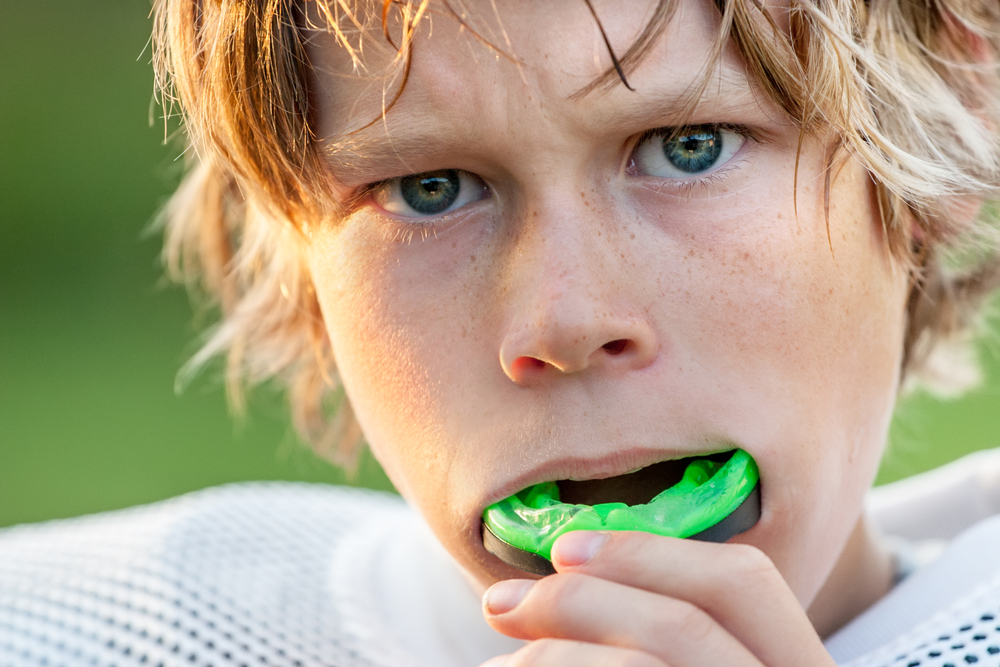
Fall in Anchorage means families are preparing for another season of hockey, skiing, snowmobiling, and other cold-weather activities. While helmets and protective gear are often at the top of the checklist, protecting your child’s teeth is just as important. A properly fitted mouthguard can help reduce the risk of chipped, broken, or knocked-out teeth when falls and collisions happen.
At Glacier Dental, we encourage Anchorage parents to think about mouth protection before the winter sports season gets busy.
Why Mouthguards Matter for Active Kids
Dental injuries can happen quickly during sports. A hockey puck, stick, collision, or fall can place significant force on the teeth and mouth. Skiing and snowmobiling also involve speed and unpredictable conditions, increasing the chance of facial injuries during an accident.
A sports mouthguard provides a protective barrier between the upper and lower teeth. Depending on the type of impact, it may help cushion the teeth and surrounding oral tissues.
Mouthguards are particularly worth considering for activities involving:
Hockey and other contact sports
Skiing and snowboarding
Snowmobiling
Basketball and indoor fall sports
Activities with a risk of falls or facial contact
Even when a league does not require a mouthguard, wearing one can add another layer of protection.
Choosing the Right Mouthguard
Parents generally have several options, including stock mouthguards, boil-and-bite guards, and professionally fitted mouthguards. The best choice depends on your child’s age, sport, dental development, and individual needs.
A mouthguard should fit securely enough to stay in place without requiring constant biting or clenching. It should also allow your child to breathe and communicate comfortably. If a guard is uncomfortable or frequently falls out, a child may be less likely to wear it consistently.
For younger Anchorage athletes, fit may need to be reassessed as permanent teeth erupt and the mouth changes.
Mouthguards for Hockey
Hockey carries an obvious risk of dental trauma because players are exposed to sticks, pucks, boards, falls, and contact with other players. A helmet and face protection are important, but they do not eliminate every possibility of injury to the teeth and jaw.
Parents should inspect their child’s hockey mouthguard regularly. Replace it if it becomes torn, distorted, excessively worn, or no longer fits properly.
Protecting Teeth During Skiing and Snowmobiling
Skiing and snowmobiling may not immediately come to mind when discussing sports mouthguards, but both activities can involve high-speed falls. Icy conditions and uneven terrain can also increase the possibility of unexpected impact.
For Anchorage families spending weekends on the slopes or trails, a mouthguard may be a practical addition to other protective equipment, especially for children and teens who participate frequently.
What to Do After a Dental Injury
Even with a mouthguard, dental injuries can still happen. A chipped, loose, displaced, or knocked-out tooth should be evaluated promptly. Significant mouth pain, bleeding, swelling, or a change in the way the teeth fit together also deserves dental attention.
Keeping our office information readily available during the sports season can make it easier to act quickly if your child experiences a dental emergency.
Before hockey season, ski trips, or snowmobiling adventures begin, schedule a dental visit with Glacier Dental in Anchorage. Visit us at 2421 E. Tudor Rd. #101, Anchorage, AK 99507, or 1569 Bragaw St. #101, Anchorage, AK 99508, and call (907) 222-6000 to discuss your child’s oral health and mouthguard needs.


Powered by: 